The river rethink
Brisbane is defined by its river, but it has not been kind to it. What would it mean to actively make the Brisbane River an active part of city life? In the second instalment in a series of propositions for rethinking the cities in which ASPECT Studios is based, Katherine English and Matthew Durning discuss the course of the Brisbane River, now and in the future.

Sometimes, usually in tourist pamphlets and in-flight magazines, Brisbane is called the River City – a moniker that gestures toward the city’s uneasy relationship with an eponymous body of water that is treated both as a spectacular natural asset and capricious enemy.
While the Brisbane River is loved, our city has not been designed to express that love. What would it mean for Brisbane to really embrace its defining geographic feature? And what if the river’s importance to Traditional Owners, and its historical uses as a meeting place and food source, were reconsidered and used to form broader planning around the river?
This would serve the dual purpose of furthering reconciliation, while also challenging conceptions of what the river is for, and how the city relates to it.
The team at ASPECT’s Brisbane studio love their river, and they want to do better by it. They have devised a three-part scheme for thinking about the Brisbane River in a way that elevates a beloved but narrowly understood body of water by reconnecting it to the daily lives of the people who live near it. The goal here is to expand the window of possibility, to spark discussion, and to remind us of the river’s importance ahead of the 2032 Olympics.
The river should be a destination – a platform for recreation and enjoyment and meeting.
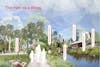
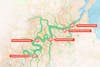
Public space along the river should be increased, with industrial land reclaimed and transformed into public space. Kayak launches and cycleways would move people from the hardscape of the urban core into a more natural setting, connecting people to their river and, by extension, to their city.
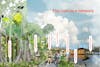
While river transport systems do exist, they are not oriented to mass public transit or active transport. And, of course, the Riverside Expressway exemplifies with its enormous concrete bulk the way the city has been divorced from its principal waterway.
Consider the experience of a new arrival to Brisbane. From the airport, you are whisked away from the river through a post-industrial part of town on your way to the CBD – an introduction to a part of the City, but not the River. Instead, imagine leaving the airport from a new ferry terminal and arriving in the heart of Brisbane by water. It would mean a slightly slower trip, perhaps – but it would be a more memorable one. Visitors would glimpse Moreton Island, experience the subtropical air playing over the water, and enjoy the bay breeze. New terminals at the Athlete’s Village, or further out in the city’s western reaches, would expand this network and create opportunities for new public spaces around those public transport nodes.
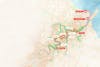
This is only one idea – there are any number of ways to capitalise on the river’s winding presence throughout Brisbane and beyond. New bridges, like the new footbridge at Kangaroo Point that ASPECT Studios is currently working on, are relaxing the north-south divide that shapes the city. Better infrastructure for pedestrian movement along the riverbank would offer more options for getting around. Brisbane needs more than 100,000 new infill dwellings by 2030 to house new residents – moving all those people around by road and rail would miss a rare opportunity.
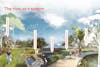
In addition to the ecological benefits this would bring, it would give excess water somewhere else to go when necessary. Brisbane is built on what was once a wetland. Rather than denying this reality with concrete and steel, what would happen if we embraced that? There are positive steps being made in this direction, like the council’s plans to unearth buried waterways, but it would be good to see these projects connected to a broader program of river upgrades.
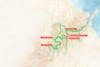
In preparing for the 2032 Olympics, we have been given an unparalleled opportunity not only to think about how to make Brisbane a memorable place to visit, but also to ensure that we are making the city better for its community.
We believe that the river is the key to that effort. By conceiving of the river as a transportation network, a place worth visiting, and an ecological system, we can identify ways of making Brisbane a more environmentally sensitive, more beautiful, and more comfortable place to live.