

Central Park
Built atop a new underground railway station, Central Park is designed to emphasize the experience and wellbeing of people in Ho Chi Minh City.
A key inspiration for the design of the 16-hectare park design was the site’s former life as a colonial-era railway station. ASPECT Studios repurposed the former rail infrastructure that remained on-site and maximised the retention of existing mature trees and vegetation, with the goal of uncovering and protecting an important part of the city’s history.
A key inspiration for the design of the 16-hectare park design was the site’s former life as a colonial-era railway station. ASPECT Studios repurposed the former rail infrastructure that remained on-site and maximised the retention of existing mature trees and vegetation, with the goal of uncovering and protecting an important part of the city’s history.
- CLIENT Ho Chi Minh City Committee
- LOCATION Ho Chi Minh City, Vietnam
- YEAR 2019
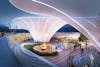

The Central Park project involves negotiating a highly complex site, with the programmatic and structural demands of the new metro system demanding a sensitive, rigorous design response. In a city that struggles with water issues, a water-sensitive urban design means that the project as a whole acts as a sponge, collecting and re-using rainwater.
A defining feature of the design are the artificial tree forms scattered throughout the park, which serve both aesthetic and functional purposes. One group of these trees collect and purify water for use in drinking fountains, irrigation systems and fire hydrants throughout the park. Others provide passive cooling and ventilation, while yet another set harvest energy through photovoltaic panels to power digital information screens, charging docks and Wi-Fi routers.
The design of Central Park advances park design by imagining and preparing for the future, while respecting Ho Chi Minh City’s past and culture.
A defining feature of the design are the artificial tree forms scattered throughout the park, which serve both aesthetic and functional purposes. One group of these trees collect and purify water for use in drinking fountains, irrigation systems and fire hydrants throughout the park. Others provide passive cooling and ventilation, while yet another set harvest energy through photovoltaic panels to power digital information screens, charging docks and Wi-Fi routers.
The design of Central Park advances park design by imagining and preparing for the future, while respecting Ho Chi Minh City’s past and culture.


- TEAM LAVA + ASPECT Studios
-
AWARDS
ASHUI Award - Future Project of the Year 2019
GOLD Winner - The 2019 Sydney Design Awards - RENDER CREDIT LAVA
